Elephants in Mondulkiri: choosing an ethical visit
Choosing an elephant experience in Mondulkiri: what observation-only visits involve, what the Elephant Valley Project publishes, and the questions to ask.
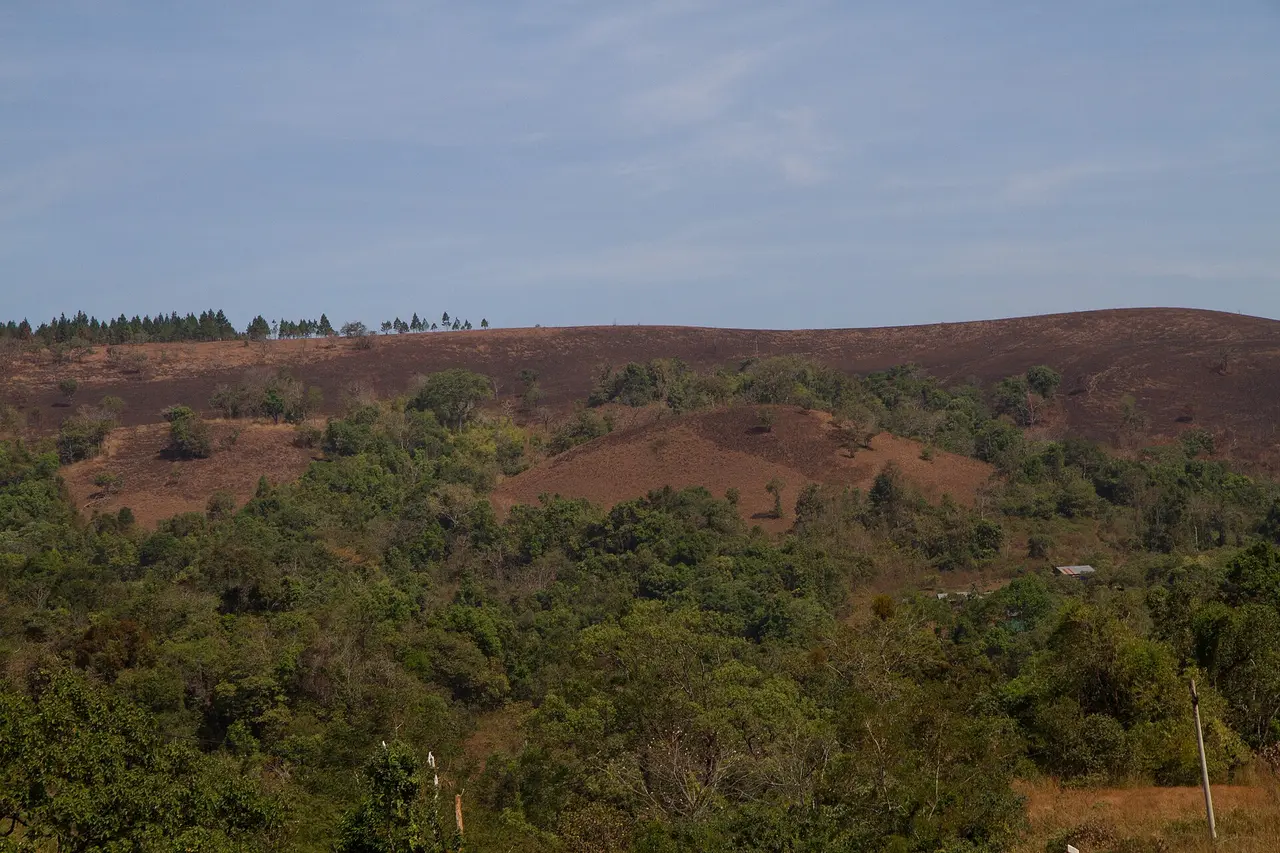
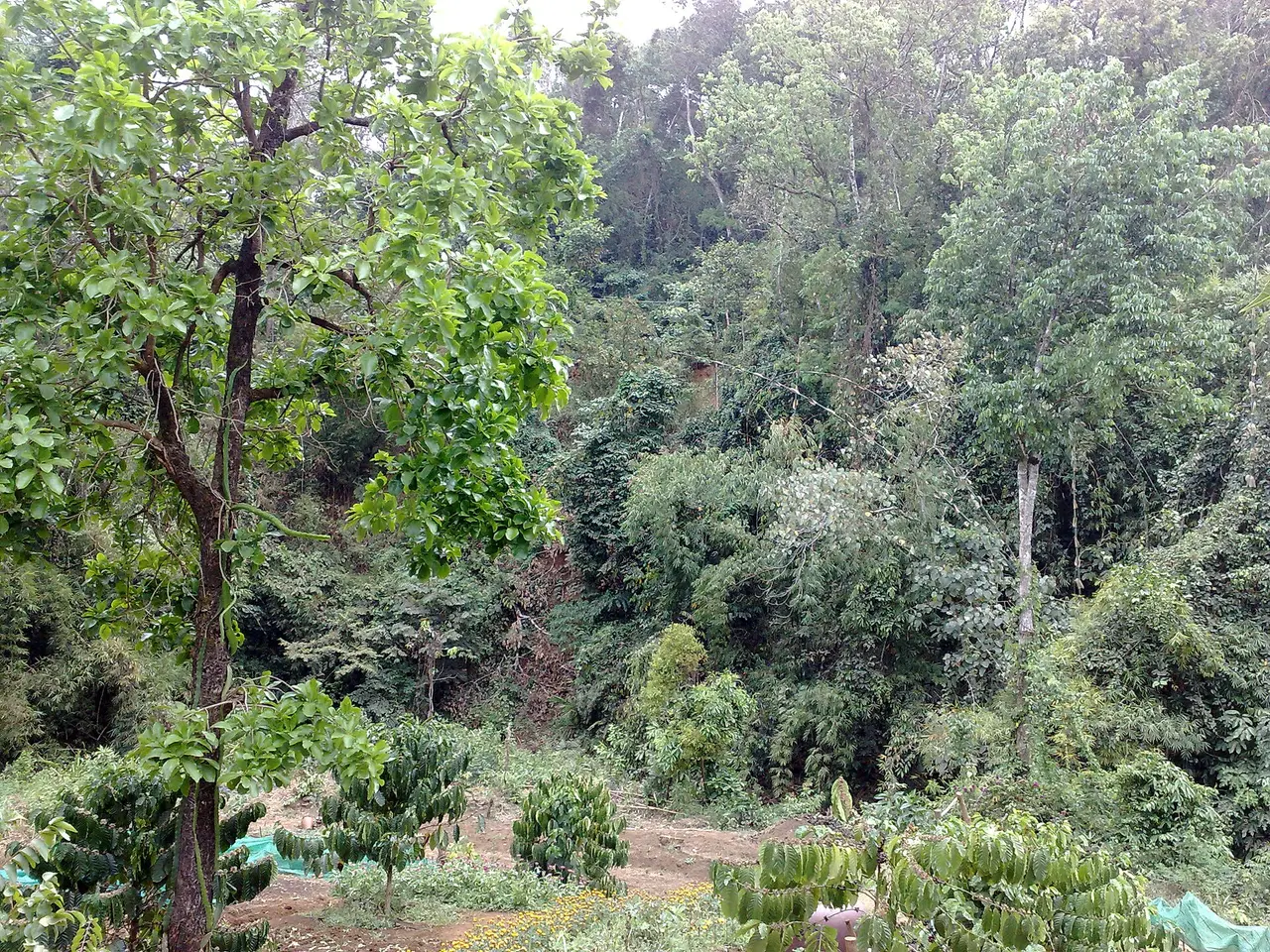
Forest near Sen Monorom in March
Researched from published sources
In short
The kindest elephant visit is one where you walk with the elephants and watch, with no riding, bathing or feeding for the sake of visitors. Near Sen Monorom, the Elephant Valley Project publishes exactly those rules. Other operators offer hands-on bathing and feeding; ask before you book, because labels like “sanctuary” are not regulated.
Elephants in Mondulkiri have long worked alongside people, and many spent years in logging and later in tourism. As that work declined, sanctuaries appeared alongside the older ride operations. Today the word “sanctuary” covers a wide range of practices, and there is no official standard behind it.
What an observation-only visit looks like
At the Elephant Valley Project, a sanctuary near Sen Monorom running since 2006, the published rules are: no riding, no tricks, no feeding, no swimming. A visit means walking through forest with a guide to where the elephants are, then watching them forage, dust-bathe and interact. You might spend an hour quietly following one group. A full day includes two such walks and lunch; overnight programmes add more time with the elephants and the forest.
It is a walking day, not a photo session. The half-day visit covers about 3 to 4 km and the full day 5 to 8 km, in heat and on uneven ground.
Questions to ask any operator
Because labels are unregulated, ask directly:
- Riding? Any riding, including bareback “jungle treks”, is a no.
- Bathing and feeding? Are visitors scheduled to wash or hand-feed the elephants? If so, it is designed around the visitor.
- Group size and distance? How many people are with each elephant group, and can the elephants walk away?
- Where do the elephants come from, and who owns them? Good operators explain the origin of each elephant and their arrangement with owners and mahouts.
- What happens to the money? Look for a clear account of what fees pay for, including the forest and the local community.
Our standard
We only propose elephant visits whose own published rules exclude riding, bathing with visitors and feeding as entertainment. At the time of writing, the Elephant Valley Project’s published rules meet that standard. We have not inspected the site ourselves; we rely on what it publishes and on independent traveler accounts, and we recheck before proposing it.
Fitting it into your trip
The sanctuary collects visitors from Sen Monorom early in the morning and runs day visits on set days of the week, so the day you arrive from Phnom Penh is never the day you visit. Pair it with a gibbon trek in Keo Seima for a two-day wildlife block; see elephants or gibbons if you only have time for one.
What the providers publish
These are the facts each provider states on its own website, with the date we read them. Naming a provider here describes it; it is not an endorsement or a partnership.
Questions travelers ask
Is it ethical to bathe elephants?
Bathing sessions are popular because they look gentle, but they usually exist for the visitor rather than the elephant: the animal is directed into the water on a schedule, often surrounded by people. Welfare-focused sanctuaries let elephants bathe when and how they choose, and keep people at a distance. We only propose visits that work that way.
Can children visit an elephant sanctuary in Mondulkiri?
Yes. The Elephant Valley Project charges children 12 and under half price and requires under-18s to be with an adult. The half-day visit involves about 3 to 4 km of walking, which suits most school-age children used to walking.
Will I get close to the elephants?
Close enough to watch them clearly, but the elephants decide. At an observation-only sanctuary you follow at a respectful distance as they feed and move through the forest. That is the point.
Why don’t you name the operators to avoid?
Practices change, and we have not inspected every operator. Instead we explain what to ask and propose only visits whose published rules match our standard.
Sources and checks
Time-sensitive details on this page (prices, schedules, travel times, access) were last checked against the sources below on 11 October 2026. They change, so any proposal reconfirms them with the provider first.
Tell us what you want from eastern Cambodia
Share your dates, what you hope to see and how you like to travel. We reply with a first view of the route and, when you are ready, a written proposal with the price, what it includes and who provides each part of the trip.