Community-based tourism: staying with villages, respectfully
Community-based tourism in Cambodia: Chi Phat in the Cardamoms, Bunong guides in Mondulkiri and river homestays near Kratie. How it works and how to visit well.
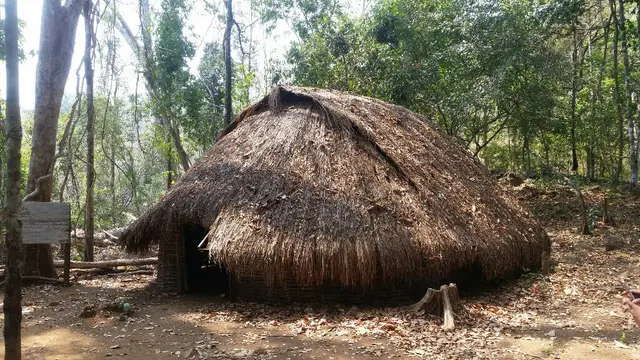
Traditional Bunong house with a thatched grass roof
Researched from published sources
In short
Community-based tourism means a village, not an outside company, runs the guiding, food and lodging and decides how visitors are received. In eastern and south-west Cambodia the clearest example is Chi Phat in the Cardamoms; Bunong guides lead wildlife and forest days in Mondulkiri; and river-island homestays exist near Kratie. Expect simple conditions and real conversations, not performances.
The best community-based tourism is not a show put on for visitors. It is a village deciding to host guests on its own terms: who guides, who cooks, where people sleep, and what is off limits. Done well, it gives you an unhurried view of daily life and gives the village income it controls.
Where it happens
Chi Phat, Cardamom Mountains. The clearest example in the region. Villagers run guiding, boat transfers, homestays and guesthouses through a community visitor centre, with links to Wildlife Alliance. You book through the centre, and transport is paid there rather than to drivers. See Chi Phat.
Mondulkiri. The Bunong are the Indigenous people of the province, and Bunong guides lead the Jahoo gibbon treks and many forest walks around Sen Monorom. Some villages near town host visitors; arrangements are informal and change, so we check them individually rather than listing them.
Kratie. River islands on the Mekong north of town developed homestays as part of the Mekong Discovery Trail. Some may still operate, but programmes have changed since outside funding ended, so confirm before planning a night there.
Ratanakiri. Several Indigenous communities live around Banlung and Virachey, and IUCN reported in 2026 on community-led tourism planning in villages around the park. Visits should go through a guide the community has chosen.
How to be a good guest
- Go with a local guide, follow their lead and ask what is appropriate.
- Ask before photographing people; respect a no.
- Dress modestly, especially away from tourist areas.
- Do not hand out sweets or money to children; if you want to contribute, ask the guide or community what is useful.
- Expect simple bathrooms, early nights and local food.
Who it suits
Travelers who value conversation over comfort, who are flexible with timings, and who are happy to sleep simply for a night or two. It is less suited to anyone who needs air conditioning and a private bathroom every night, though a single homestay night between more comfortable stays works for most people.
What the providers publish
These are the facts each provider states on its own website, with the date we read them. Naming a provider here describes it; it is not an endorsement or a partnership.
Questions travelers ask
Does my money actually reach the community?
It depends on the arrangement, and we do not assume it. In Chi Phat, visitors book and pay through the community visitor centre. Jahoo publishes how much it reports passing to community development. Where a provider does not explain where the money goes, we say so rather than claiming a benefit.
Can I photograph people in villages?
Ask first, every time, and accept no for an answer. Avoid photographing children without a parent’s clear permission, and never photograph ceremonies or burial sites unless invited to.
Is a homestay suitable for families?
Often, yes, for children who are adaptable about food, noise and basic bathrooms. Check the specific homestay’s sleeping arrangements before you go.
Sources and checks
Time-sensitive details on this page (prices, schedules, travel times, access) were last checked against the sources below on 11 October 2026. They change, so any proposal reconfirms them with the provider first.
Tell us what you want from eastern Cambodia
Share your dates, what you hope to see and how you like to travel. We reply with a first view of the route and, when you are ready, a written proposal with the price, what it includes and who provides each part of the trip.