Keo Seima: gibbons at dawn with Bunong guides
Keo Seima Wildlife Sanctuary in Mondulkiri: how the Jahoo gibbon treks work, what they cost, who runs them, the chance of seeing gibbons and doucs, and how to get there.
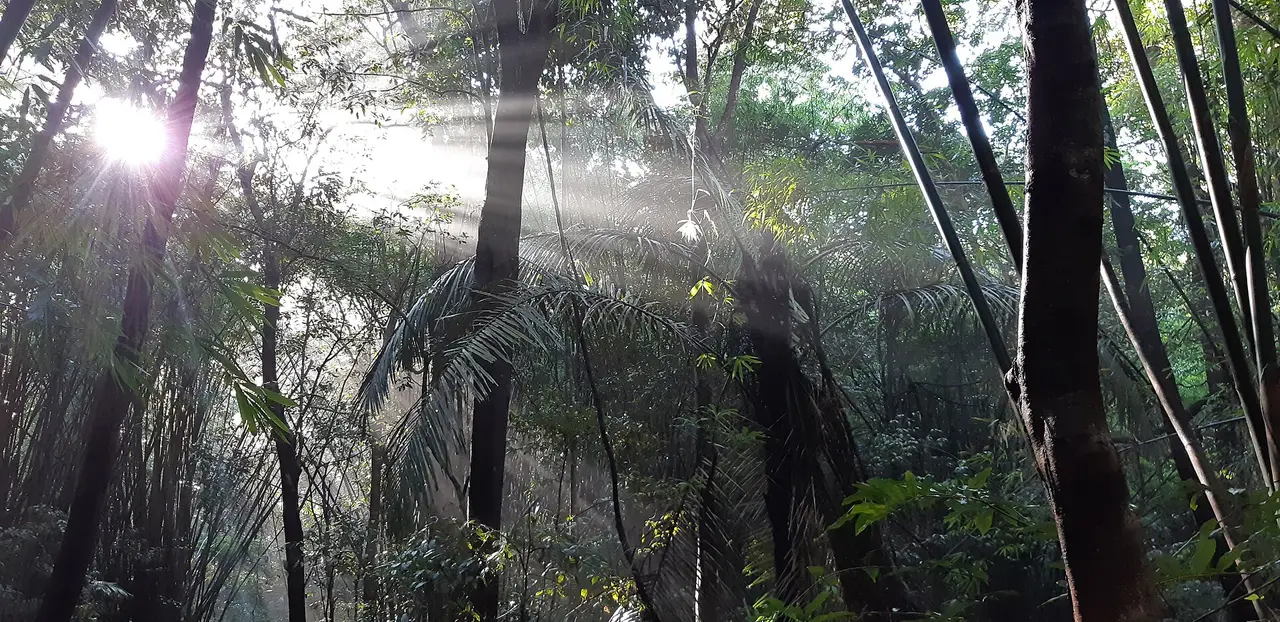
Bamboo and semi-evergreen forest in Keo Seima Wildlife Sanctuary
Researched from published sources
In short
Keo Seima is a protected forest about 30 km from Sen Monorom where the Jahoo project leads small groups to a habituated family of yellow-cheeked gibbons. A day trek costs US$185 including transfers from Sen Monorom; it starts before dawn, involves steep, hot walking and suits fit travelers aged 10 and over.
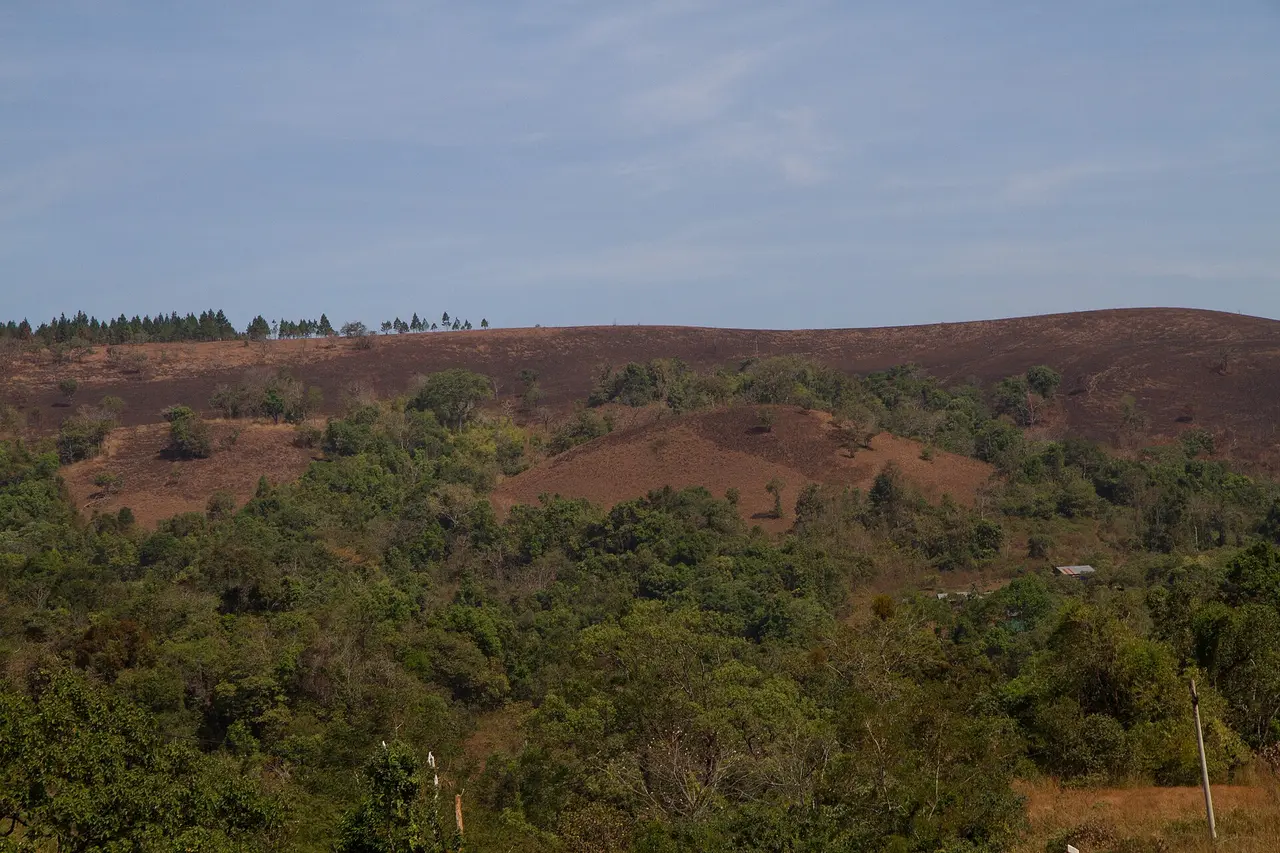
Keo Seima Wildlife Sanctuary covers a large block of semi-evergreen forest and bamboo on the western side of Mondulkiri, and National Road 76 runs straight through it on the way to Sen Monorom. Most travelers pass it at speed. The ones who stop come for primates.
How a Jahoo day works
Jahoo collects you from your accommodation in Sen Monorom early in the morning and drives about 30 km back down the highway to the sanctuary, where Bunong guides take over. The aim is to reach the gibbons while they are calling and active. You then follow the family through the canopy for as long as the guides judge right, with breakfast and lunch in the forest, before returning to town in the afternoon.
The one-day trek includes the transfers, guide fees, the sanctuary entrance, a community fund contribution, meals and binoculars. The two-day option adds a night at the bamboo camp and a night walk for nocturnal wildlife; the three-day option goes further into the forest. Private tours with a dedicated Bunong guide are available on request.
What you might see
The main subject is the southern yellow-cheeked gibbon: the males are black, the females golden-buff, and their duet carries a long way through the forest at dawn. Black-shanked douc langurs, a striking grey-and-white monkey, share the same forest and are often seen. Birds, squirrels and other primates are part of the day too. Nothing is guaranteed, and a good guide will tell you so.
Planning around it
- Base: stay in Sen Monorom. There is no point trying to reach the trek from Phnom Penh on the same morning.
- Order: do the gibbon day before or after an elephant sanctuary day, not on your travel day. Jahoo runs one tour per day for up to six guests, so dates can fill.
- Season: the dry season, November to April, is easiest. Lonely Planet notes that after heavy rain the last stretch can be too muddy for vehicles, so you may walk the final couple of kilometres.
- Age and fitness: the minimum age is 10. The walking is hot and steep in places.
If you are deciding between this and an elephant day, our comparison elephants or gibbons sets out the differences. Most people with two full days in Mondulkiri do both.
Seasons at a glance
What the providers publish
These are the facts each provider states on its own website, with the date we read them. Naming a provider here describes it; it is not an endorsement or a partnership.
Questions travelers ask
Will I definitely see gibbons?
No one can promise it. The Jahoo guides follow a gibbon family that is used to people, which makes a sighting much more likely than on an ordinary forest walk, and they start before dawn when gibbons call. Weather, the animals’ movements and luck still decide. Treat it as a wildlife search, not a show.
How hard is the gibbon trek?
Jahoo describes it as physically demanding because of the heat and steep terrain. Expect early starts, uneven forest paths and long periods standing quietly. Reasonable fitness and good shoes matter more than speed.
Is Jahoo community-run?
Jahoo describes itself as a product of Sam Veasna Conservation Stays Co., Ltd., with WCS, the Keo Seima REDD+ project and Bunong communities involved, and Bunong guides leading the walks. It reports more than US$60,000 for community-led development since 2017. We describe it the way it describes itself rather than calling it community-owned.
Can I visit Keo Seima on a day trip from Phnom Penh?
Not realistically. Phnom Penh is about 6 to 8 hours away by road, and the trek starts at dawn. Stay in Sen Monorom the night before, or book a package with a night at the bamboo camp.
Sources and checks
Time-sensitive details on this page (prices, schedules, travel times, access) were last checked against the sources below on 11 October 2026. They change, so any proposal reconfirms them with the provider first.
Tell us what you want from eastern Cambodia
Share your dates, what you hope to see and how you like to travel. We reply with a first view of the route and, when you are ready, a written proposal with the price, what it includes and who provides each part of the trip.